
Campsite and holiday park cleaning supplies: professional guide
Why cleaning a campsite is a different problem
A campsite is not a scaled-down hotel. It concentrates a large number of people into shared facilities with very little margin for error: wash blocks, communal kitchens, dish and laundry areas, swimming pools and play areas, all used at the same time and all judged by the same guest. In a hotel you can close a bathroom for an hour. On a full Saturday in August with a site at capacity, you cannot. That is the whole reason cleanliness on a campsite is an operational problem first and a marketing problem second.
The commercial consequence is direct and measurable. Almost every booking decision starts with reviews, and a single review mentioning dirty showers weighs more than ten mentioning a nice pool. Cleaning is not a cost line to trim; it is the cheapest way to protect the following season's occupancy. If your pitch occupancy depends on repeat bookings and platform ratings, the wash block is your most valuable asset.
Start by knowing what you are actually cleaning
Before buying anything, map the site. Products and dosage follow from the answer to four questions:
- Water hardness. Hard water leaves limescale on shower trays, taps and toilet bowls. Without a descaler you are polishing a mineral deposit, not removing it.
- Foot traffic and loading. Sinks, wash basins, toilet cubicles and dishwashing areas are high-frequency touch points. They need fast, repeatable products that staff can apply dozens of times a day without thinking.
- Wet areas and slip risk. Any floor around showers, pools and wash areas is a slip hazard the moment it is wet. The cleaning product has to work with a low-residue method rather than leaving a film.
- Water bodies and food handling. Pool water and any kitchen on site have their own legal and chemical requirements. Do not treat them as ordinary cleaning surfaces.
Wash blocks and toilets: where the reputation is decided
This is the critical zone and the one guests inspect most closely. In a full site a single wash block is used hundreds of times a day, with wet feet, sand and limescale building up on the bases of the showers. What is needed here:
- Descalers for toilet bowls and urinals, to remove limescale, encrusted urine and odour at source, rather than masking it with fragrance.
- Broad-spectrum disinfectants for floors and shower walls, applied at the correct dilution and dwell time; spraying alone does not disinfect.
- A daily-use toilet cleaner so staff can maintain cubicles between deep cleans. A cleaner used every day is worth more than an aggressive product used once a month.
- General-purpose cleaners for basins, mirrors and other wash-down surfaces, so a single product covers most of the block.
The single most common operational failure is dilution. Staff under pressure add extra product or none at all. Use correctly calibrated dispensers and sprayers, label every container, and keep the diluted solution only as long as the manufacturer allows. That discipline costs nothing and removes most of the complaints.
Communal kitchens, dishwashing and laundry
Camping kitchens are the second critical zone because food handling sits next to general site traffic. The priorities are degreasing, surface disinfection and dishwashing:
- Degreasers for griddles, extractor hoods, walls and floors in the cooking area. Grease that is not removed daily becomes a fire-risk film and a smell that spreads into the dining space.
- Chlorinated and multi-purpose cleaners for hard surfaces and drains, where organic waste and standing water combine.
- Floor cleaners matched to the surface: tiled floors in the kitchen, non-slip surfaces around sinks and showers. One product for the whole site is a false economy.
In laundry and dishwashing areas, check the water hardness before choosing a dosage. Soft water and hard water consume very different amounts of the same product, and getting this wrong is one of the most common sources of wasted spend on a site.
Common areas, pools and play areas
Pools, play areas and common rooms are high-visibility, high-risk areas. For pool water, the essentials are pH and chlorine control, together with anti-algae and flocculant products where the installation requires them. Treat pool water as a chemical system with its own parameters, not as a cleaning surface.
For outdoor and semi-outdoor surfaces, including walls, railings and changing areas, acid-based cleaners for exterior surfaces remove limescale and rust marks that neutral cleaners cannot touch. Around play areas and shared touch points, use broad-spectrum disinfectants as part of a schedule, not as a one-off response to an incident.
Consumables: the part guests notice most
Cleaning products keep the site sanitary. Consumables keep the guest comfortable, and their absence is what drives the harshest reviews. These must never run out on a Saturday:
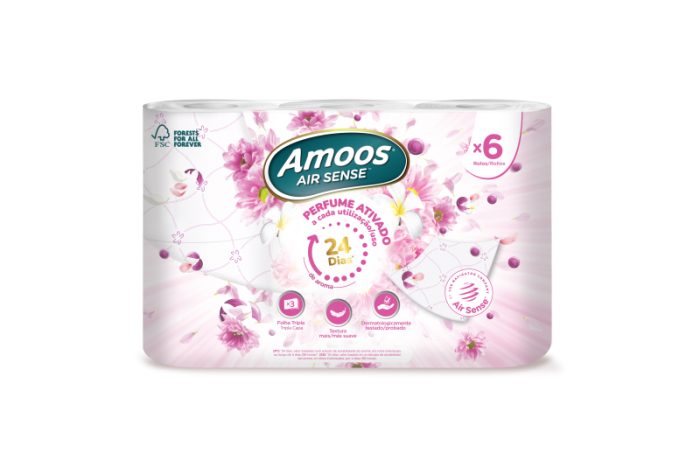
- Toilet paper: choose a controlled-dispensing format rather than the cheapest per roll, because consumption in a campsite wash block is far higher than in an office.
- Hand soap and hand hygiene products: a mild, professional-grade soap is cheaper per use than domestic refills and easier on skin when staff wash constantly.
- Soap and paper dispensers: tamper-resistant, easy to refill and easy to clean. A dispenser that jams wastes more product than it saves.
- Waste bags and bins: separate waste correctly, since campsites generate a high volume of mixed and recyclable waste.
- Cleaning tools: mops, brushes, buckets and carts, sized to the areas and to the time staff have.
For large sites, professional cleaning carts reduce the number of trips per shift and cut the idle time that eats your cleaning budget.
Reducing the cost without reducing the result
Most campsites overspend on cleaning in three ways: buying concentrates without checking the dilution cost, using one product everywhere instead of matching the product to the surface, and buying consumables on price per pack rather than cost per use. A simple method fixes all three:
- Measure your actual consumption per zone for one month. Wash blocks, kitchens and outdoor areas have very different profiles.
- Calculate cost per litre of working solution, not price per container. A concentrated product at 1:50 is usually far cheaper than a ready-to-use product, even when the container costs more.
- Match the product to the surface and stop over-specifying. Not every surface needs a disinfectant; most need a good cleaner applied correctly.
- Standardise on a small core range. Fewer products mean fewer dilution errors, less training and less stock sitting unused at the end of the season.
Preparing the site before and after the season
The highest-value cleaning work is the deep clean at opening and the winter shutdown. At opening, descalers, degreasers and a full disinfection pass remove the mineral and organic build-up of the closed season so daily cleaning works from day one. At closing, thorough cleaning and drying protect the facilities against mould and corrosion, and avoid expensive repairs before the next season. Between the two, daily cleaning keeps consumption low and reviews stable.
What to ask your supplier
- A dilution table per product, so you can calculate cost per working litre.
- Coverage per container at that dilution, for the surfaces you actually have.
- Safety and technical data sheets for every reference, ready for your staff and for inspection.
- Advice on water hardness and how it changes dosage.
- Consumables with stable stock in high season, not just in low season.
- A single contact for the whole site, so you are not managing ten suppliers in August.
Frequently asked questions
How do I remove limescale from showers in hard water areas?
Use a dedicated descaler on the shower tray, tiles and taps, allow the full dwell time, then rinse. Neutral cleaners will not remove limescale; they only clean the surface film on top of it. For heavy deposits, repeat the cycle rather than increasing the concentration.
Is disinfectant needed on every surface?
No. Disinfection matters on touch points, wash areas and food handling surfaces. Applying disinfectant to every floor and wall is a cost with no benefit, and can leave residue that affects the next clean.
Can I use the same floor cleaner across the site?
Better not to. Tiled floors, non-slip surfaces and outdoor paving have different requirements and different drying behaviour. Matching the product to the surface reduces slip risk as well as cost.
How much toilet paper and soap should a campsite stock?
Measure your actual consumption during one full week at capacity, then add a safety margin for peak weekends. Wash blocks consume far more per guest than most sites expect, and running out in high season is the fastest route to a bad review.
Do I need special products for the swimming pool?
Yes. Pool water is a chemical system that needs pH and chlorine control and, where relevant, anti-algae and flocculant treatment. It should not be treated as an ordinary cleaning surface.
Buying for a campsite with LimpialoTodo.com
We supply professional cleaning products and consumables to campsites and holiday parks across Spain and Portugal. Our team helps you build a core range sized to your facilities and your season, with cost per use rather than price per pack as the deciding factor.
If you want a starting point, see how to buy, and check our delivery options and secure payment terms. For a range tailored to your site, write to us at [email protected].
Share this content