
Professional lift cleaning: stainless steel cabins and doors
Lift cleaning is one of those jobs that nobody owns. In most buildings the lift is the single most used surface and the one with the least clear responsibility: nobody's desk is next to it, no team opens the shift there, and it rarely appears in a cleaning schedule until somebody complains about fingerprints. That is exactly why it is worth solving properly, because a lift is also the first thing a visitor touches and the one surface that every tenant, patient, guest or client uses several times a day.
This guide covers how to clean lift cabins and stainless steel lift doors, how often to do it by building type, which products actually work on brushed and mirrored stainless, and the two decisions that reduce cost over a contract: matching the chemical to the finish and controlling dilution.
Why lift cleaning matters more than it looks
A lift cabin is a small, enclosed, low-ventilation space with a very high contact count. A single set of buttons in an office block can be touched thousands of times a day. Door edges, handrails and cabin walls collect skin oils, that transfers to the stainless, and the result is a patchy, cloudy surface that looks dirty even after it has been wiped.
There is also a material problem. Stainless steel is not a single surface. Brushed stainless (satin) has a directional grain and hides marks well. Mirrored or polished stainless reflects every smear and every trace of residue. Cleaning both the same way is what produces the classic complaint: streaks, swirl marks, and a dull haze along the grain lines.
Finally, there is an economic problem. Most lift cleaning fails in one of three ways: the wrong cloth, the wrong product, or a diluted solution left too strong. All three cost money on labour and product while making the finish worse.
Know your lift surface before you buy anything
| Surface | What it does | How to treat it |
|---|---|---|
| Brushed / satin stainless | Most lift cabins and doors. Directional grain, forgiving finish | Clean and wipe along the grain only |
| Mirrored / polished stainless | Reception lifts and upmarket sites. Shows every residue | Light product, immediate buff with a dry cloth |
| Powder-coated or laminated panels | Pressed steel and modern cabin interiors | Neutral cleaner, no solvents, no abrasives |
| Glass panels and mirrors | Cabin walls in some models | Glass cleaner and a dedicated cloth |
| Cabin floor: vinyl, porcelain, stone | Heaviest soiling, tracks grit in from outside | Neutral floor cleaner matched to the floor type |
| Buttons, handrails, skirting | Highest contact, highest hygiene relevance | Clean, then disinfect where the risk profile requires it |
The practical rule: a cleaner designed for stainless and a cleaner designed for the floor are two different products, and mixing them up is the most common cause of a lift that looks worse after cleaning than before.
What you need to do the job properly
You do not need much equipment, but the quality of the cloths and cloth discipline matters more than in almost any other cleaning task, because you are working in a small space with a very visible finish.
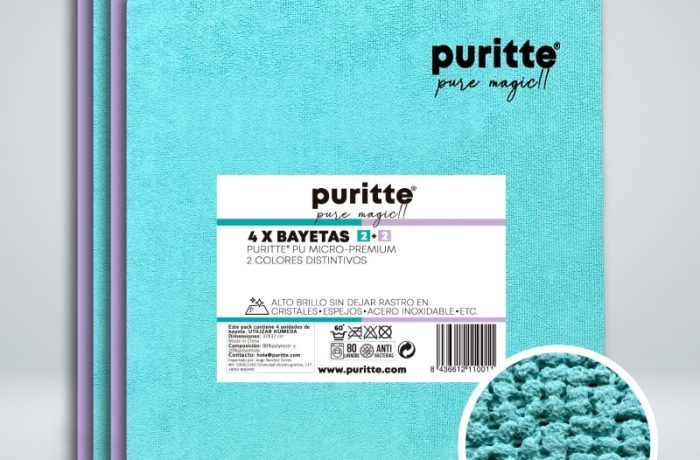
- Two microfibre cloths per cabin, minimum. One for applying product, one clean and dry for the final buff. The dry cloth is what removes the residue that causes streaks.
- A stainless steel cleaning and protective product. A combined cleaner-protector leaves a thin film that resists fingerprints and marks, which extends the time between cleans.
- A neutral floor cleaner for the cabin floor, matched to vinyl, porcelain or stone.
- A short-handled mop or a flat mop for the floor. A full-size mop bucket does not fit inside a cabin and leaves too much water behind.
- Gloves to protect hands, especially when working with concentrated products.
- A trigger sprayer or a small bottle following your labelling and decanting procedure if you dilute on site.
The cleaning method, step by step
Step 1: Prepare the space with the lift out of service
Work with the lift parked and locked out, or agree a slot with the building. A lift that is being cleaned while in use produces smeared finish, wet floors and an accident risk every time the doors open. Remove loose debris from the floor before anything gets wet, including grit by the threshold, which is what scratches the cabin floor over time.
Step 2: Clean the stainless cabin walls and doors
Spray a small amount of the stainless product onto the cloth, never directly onto buttons, controls or door edges where it can run into the mechanism. Wipe with the grain, in a single direction, working top to bottom. Never scrub in circles: circular movement on brushed stainless leaves a permanent pattern that is visible under light, and no later clean will remove it.
Step 3: Buff dry with a second cloth
This is the step people skip and the reason lifts look streaked. Immediately after wiping, go over the same surface with a clean dry cloth, again following the grain. Buffing is what produces the even, low-mark finish. On mirrored stainless, use less product and buff sooner.
Step 4: Clean the floor
Dilute the neutral floor cleaner according to the label, mop the cabin floor from the back wall towards the door, and keep the floor as dry as the result allows. Standing water is a slip risk and can mark vinyl and stone edges. A flat mop squeezed almost dry gives the best result in a space this small.
Step 5: Handrails, buttons and control panels
Wipe handrails and frames as part of the same pass. For buttons and control panels, apply the cleaner to the cloth and not to the panel, then dry it. In healthcare, catering, education and high-traffic public buildings, follow cleaning with a disinfection step on high-contact points and respect the contact time on the product label. Contact time is part of the disinfection, not an optional extra.
Step 6: Doors, frames and thresholds
Door tracks and thresholds collect grit and are usually forgotten until the doors start to run rough. Wipe the visible track and the inner door edges, and clear the threshold so the cabin floor stays clean for longer.
What not to use on a lift
- Abrasive pads, wire wool and scouring powders. They scratch the surface permanently and lift any protective film.
- Chlorinated or aggressive alkaline products on stainless without a rinse. Chlorides attack stainless and cause pitting, which shows up as small dark spots that cannot be polished out.
- Acid cleaners on stone or marble thresholds. They etch the surface.
- Glass cleaner on brushed stainless. It does not remove skin oils properly and leaves a haze.
- Diluting strong because "it was very dirty". On a small, contained surface this leaves sticky residue that attracts dust and lint much faster. If a surface is heavily soiled, clean it twice with correctly diluted product rather than once with a strong solution.
How often to clean a lift, by type of building
| Building type | Cabins and stainless | Floor | Disinfection of contact points |
|---|---|---|---|
| Residential block | 2-3 times per week | 2-3 times per week | Daily in flu season or per building policy |
| Office building | Daily | Daily | Daily |
| Retail and shopping centres | Daily, high-traffic lifts twice daily | Daily, spots as needed | Daily, and during peak trading hours |
| Healthcare and clinics | Daily with disinfection | Daily | Multiple times a day by protocol |
| Hotels | Daily, plus a deeper pass on changeover days | Daily | Daily |
| Catering and food areas | Daily with disinfection | Daily | Daily, with records |
Frequency should follow the contact count and the risk profile, not the size of the building. A single lift in a clinic with twenty staff and visitors per hour needs more attention than four lifts in a block of flats.
Cost per clean: where the money actually goes
Lift cleaning is a labour-dominated job, so the way to reduce cost is to reduce the number of movements and repasses it takes to get a clean surface, not to buy the cheapest product on the shelf.
Two decisions do most of the work:
- Use a combined cleaner and protector on stainless. A protective film means less product per pass and fewer returns to the same panel for marks between scheduled cleans. A cheaper cleaner that leaves no protection costs more in labour than it saves on the invoice.
- Control dilution with a trigger bottle or, on larger contracts, a dosing system. A correctly diluted neutral floor cleaner cleans the same floor with less rinsing and no sticky residue. Over-dilution also causes re-soiling on the cabin floor, which brings the team back sooner.
On a contract level, the lever is routing: group the lifts of a portfolio so that one operator does all cabins on the same visit with the same equipment. The cabin is small, so travel and setup, not the cleaning itself, is where the time goes.
Hygiene, safety and records
- Clean and then disinfect contact surfaces where the risk profile requires it, respecting contact time.
- Never mix cleaning chemicals unless the supplier has confirmed compatibility. Chlorine products mixed with acids release dangerous gases.
- Keep decanted products labelled, with the safety data sheet available to the team and a written procedure for dilution.
- Use wet floor signs and keep the lift out of service while the floor is wet.
- Record cleaning frequency and disinfection in buildings where an audit, contract or certification requires evidence.
Frequently asked questions
How do I stop stainless steel lift doors from streaking?
Use two cloths: one to apply the product, one clean and dry to buff immediately. Wipe in a single direction along the grain. Most streaks come from the missing buff, not from the product.
Can I use glass cleaner on the lift doors?
No. Glass cleaner does not lift skin oils from brushed stainless and leaves a haze. Use a product formulated for stainless steel surfaces.
Which floor cleaner should I use inside a lift cabin?
A neutral floor cleaner matched to the floor material: neutral for vinyl and most stone, and a pH-appropriate product for the specific floor in the cabin. Avoid aggressive acids and strong alkalis that can damage the threshold and the cabin base.
How do I remove fingerprints between scheduled cleans?
A dry microfibre cloth removes light marks from brushed stainless in seconds. A cleaner-protector applied during the scheduled clean reduces how often this is needed.
Should the lift buttons be disinfected?
In healthcare, catering, education and high-traffic public buildings, yes, as part of the protocol and with the required contact time. In low-risk residential buildings, a clean with a suitable product is normally sufficient.
Do I need special equipment to clean a lift floor?
A flat mop or a short-handled mop works better than a standard mop and bucket, because it fits the cabin and leaves the floor drier, which matters for slip risk.
Quick checklist for a professional lift clean
- Cabin and doors cleaned along the grain, not in circles.
- Every wiped surface buffed dry with a clean cloth.
- Floor cleaned with correctly diluted neutral cleaner and left nearly dry.
- Handrails, buttons and thresholds included, not only the walls.
- Disinfection applied where the protocol requires it, with contact time respected.
- Threshold free of grit and the protective film on stainless intact.
Done this way, lift cleaning stops being an invisible task that gets skipped and becomes a controlled part of the contract, with a consistent finish, less product waste and fewer complaints about the one surface everybody uses.
Products used in this method
- PQ-201 INOX stainless steel cleaner and protector for cabins, doors and handrails.
- Puritte PVA microfibre cloths for the wiping and buffing pair.
- Vileda PVA micro cloths as an alternative cloth for high-volume routes.
- Quim-Marlimp neutral floor cleaner for vinyl and stone cabin floors.
- Fress Q Marine professional air freshener for cabins with poor ventilation.
- Cleaning gloves and protective equipment for handling concentrates.
You can find the full range under general cleaners, specialist cleaners, disinfectants, cloths, cleaning tools, bottles and trigger sprayers, janitorial supplies and cleaning equipment. See also our guides on choosing industrial toilet paper and cleaning in food production. If you are buying for a portfolio, start with how to buy and contact us.
Share this content